House coffees
Our permanent roasts. Built for everyday drinking and for espresso-with-milk, which is what most guests actually order.
Coffee
House coffees, seasonal lots and custom blends developed around a specific menu, machine and milk.
How we think about coffee
Before we roast anything for an account we ask what the coffee has to survive: which machine, which milk, which cup size, how many drinks in the first hour, and who is making them. A coffee that sings on a manual bar is not always the right coffee for an automatic machine at 07:30.
Our permanent roasts. Built for everyday drinking and for espresso-with-milk, which is what most guests actually order.
Smaller volumes when something worth showing arrives. Offered in the café and to partners who want a rotating guest coffee.
Developed for a single account, around a real menu and a real machine, then locked to a written profile so it repeats.
From ground to cup
A cup of coffee is the sum of a hillside, a roast profile and about thirty seconds behind a machine. Get one of them wrong and the other two cannot rescue it. This is how ours is put together, and who puts it there.
The ground
Our coffee comes from the highlands of Northern Thailand, and from growers we buy from season after season rather than lot by lot. Pe Waew and Pe Nam Dum are two of them — and there are many more in what we have come to call our coffee family.
That continuity is not sentiment. It is the only way a blend stays the same two years running. When you know whose trees a coffee came from, you know what the rain did that season, why this lot tastes brighter than the last, and whether next year's harvest is worth committing to before it is picked.
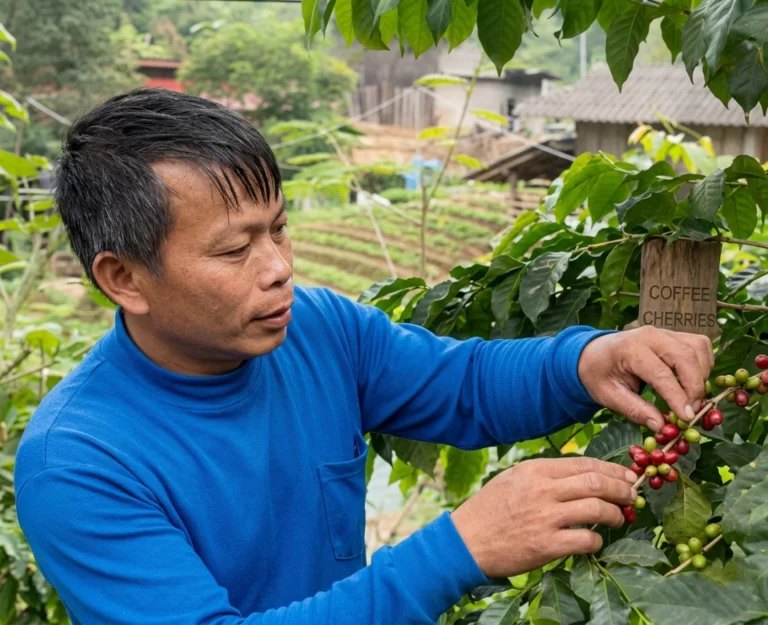
Ripeness is judged on the branch, one pass at a time.
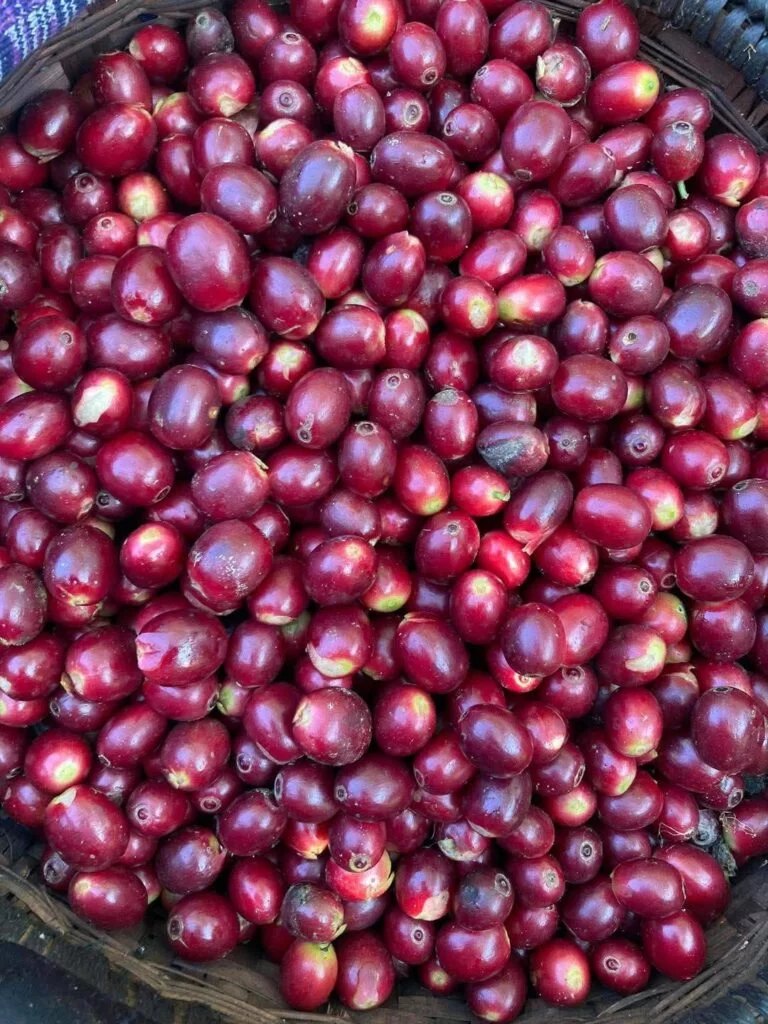
Red cherry, picked ripe.
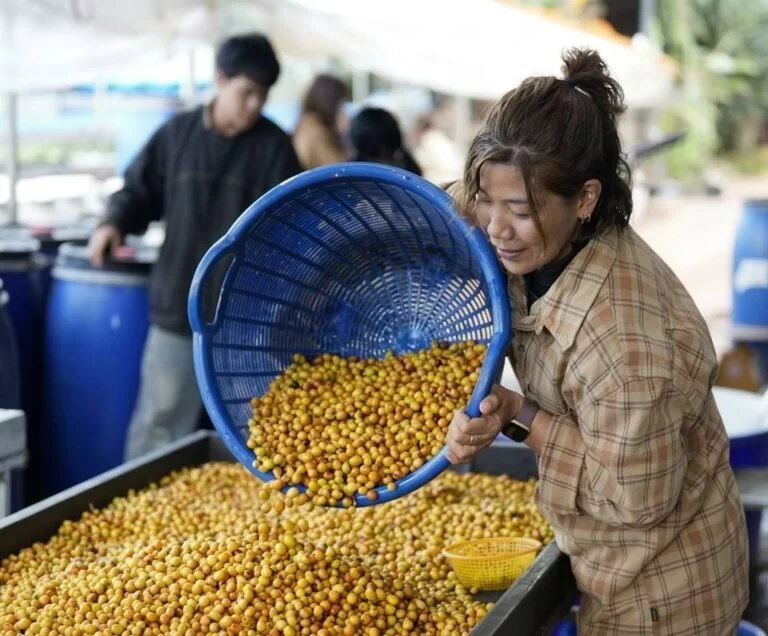
Sorted and floated, then into tank.
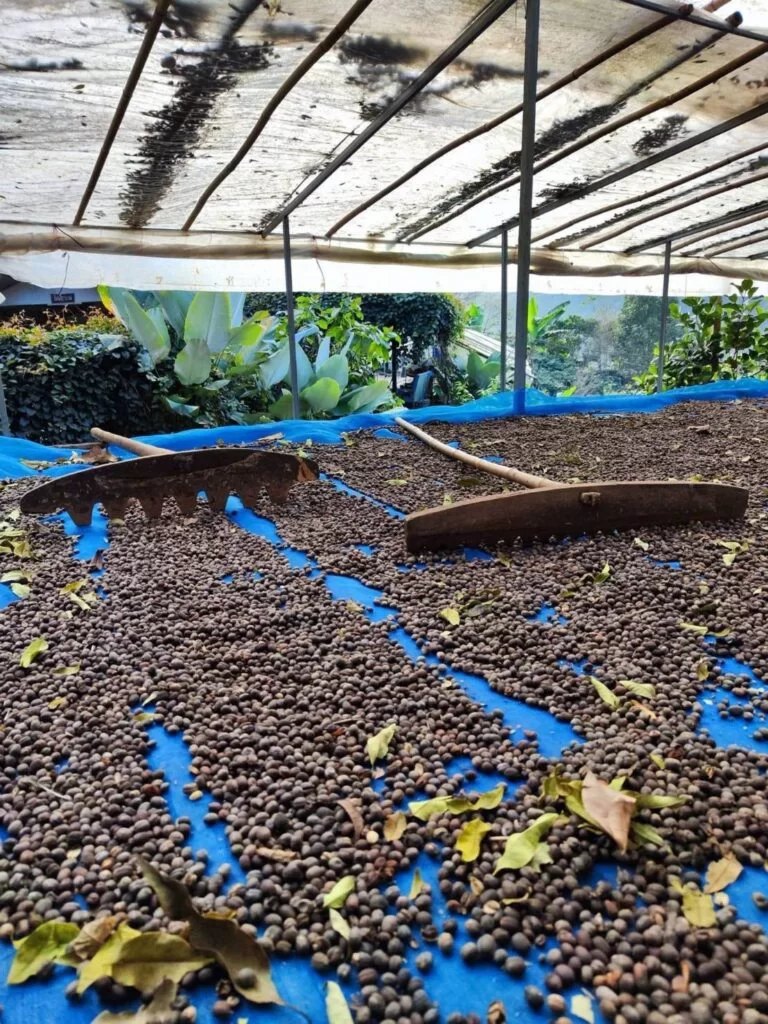
Dried under cover, turned by hand.
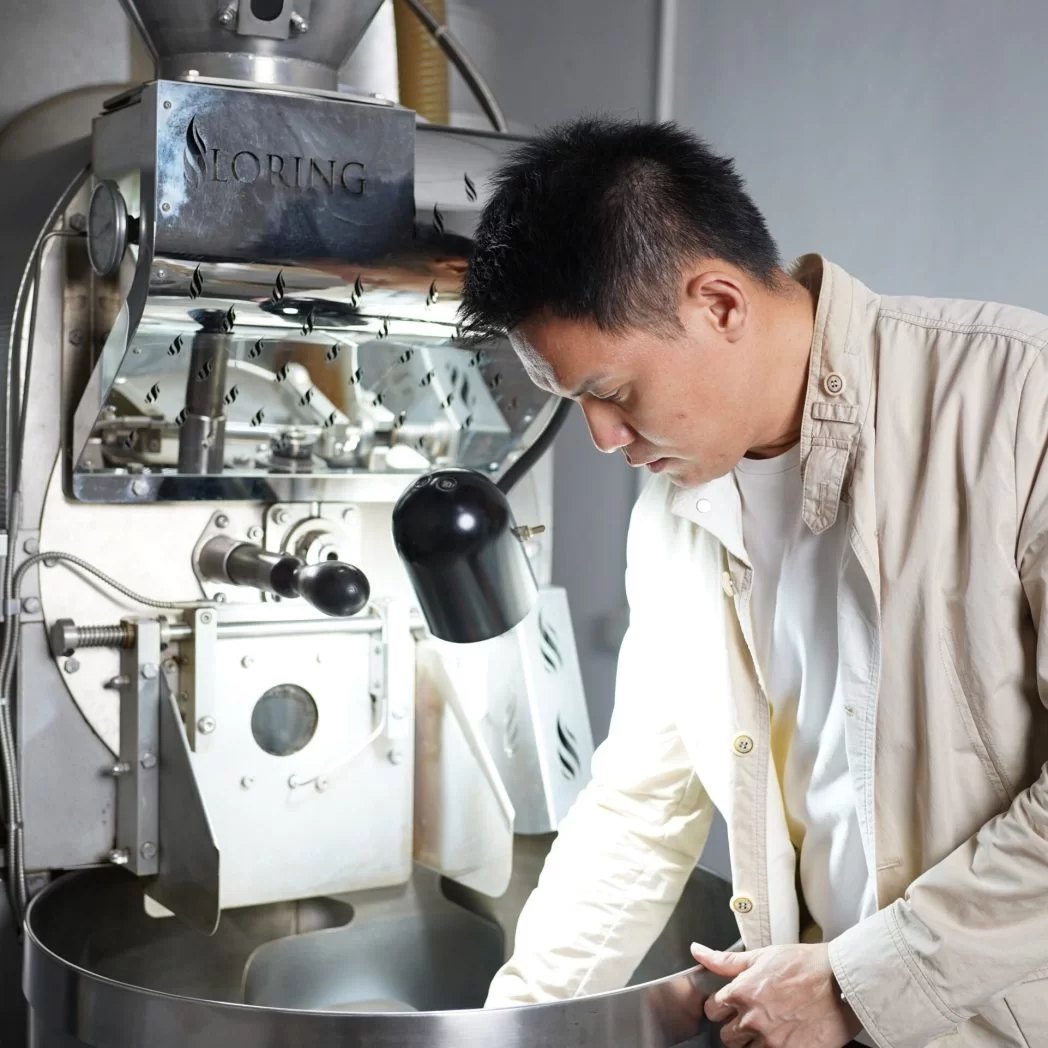
The drop is a judgement call, made on the same machine every time.
The roast
Our coffee is roasted on a Loring smokeless roaster — the machine at the centre of the wider roasting operation we work within, and the reason we can promise a hotel the same profile in December that we delivered in June.
A Loring works differently from a conventional drum. A single burner heats the air and burns off the roast smoke in the same chamber, so there is no separate afterburner consuming a second stream of gas. Less fuel, far less smoke, and — the part that matters to a coffee programme — remarkably tight control over the heat the beans actually see.
Every profile is recorded and every batch is checked against it. If a roast drifts from the curve, it does not go into a bag with your name on it.
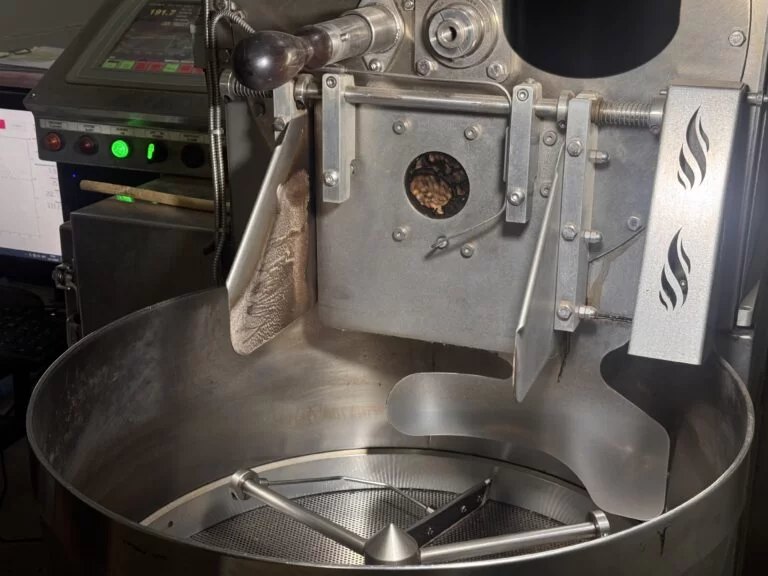
The drop — and the four minutes of cooling that decide whether the profile holds.
The cup
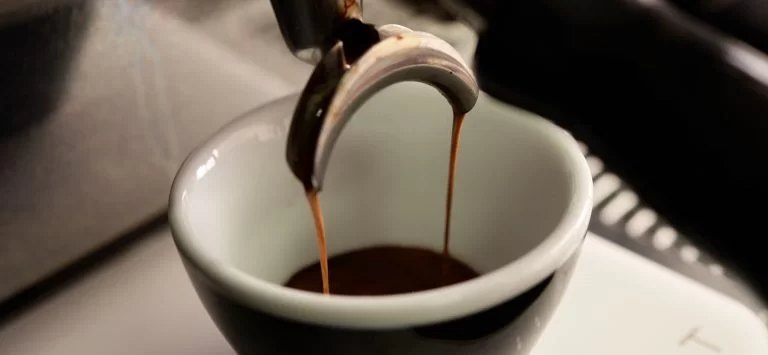
Everything above arrives at a portafilter, and this is where most of it is won or lost. The good news is that a great shot is not a talent. It is four numbers, written down, and the discipline to check them.
Our working reference for espresso. Every coffee is then dialled in on your own machine — ratio, temperature and pressure profile adjusted to the roast in front of us.
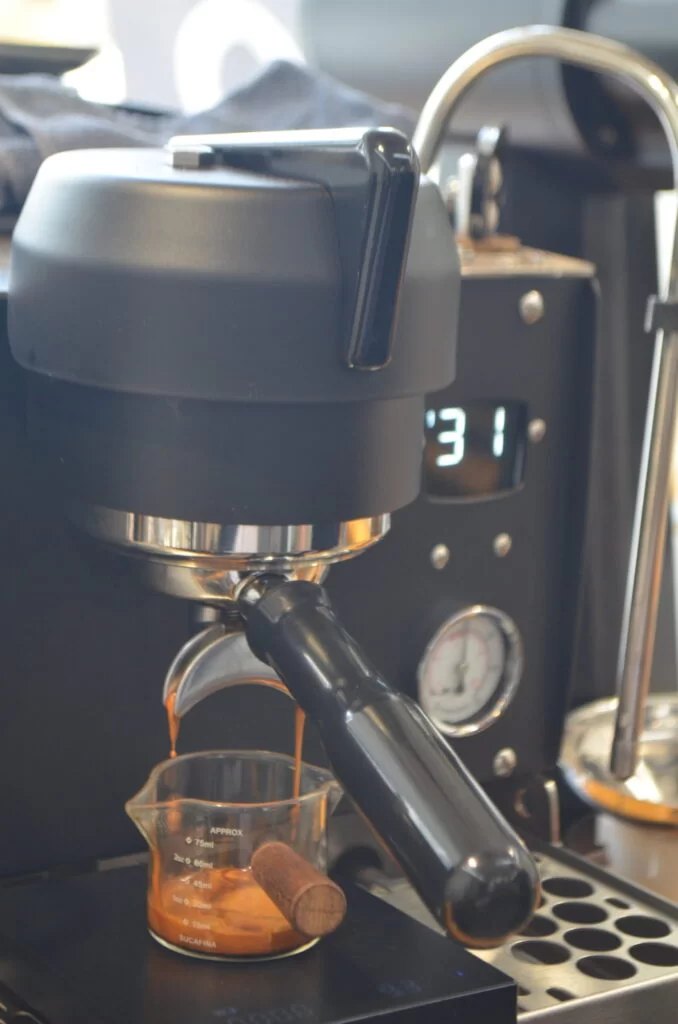
Time it, weigh it, taste it. Then change one thing.
In the bag
Our current range is deliberately short. We would rather roast a few coffees properly and keep them in stock than publish a catalogue we cannot supply consistently.
Full origin, processing and tasting-note details for the current range are available on request — including sample bags for operators evaluating a switch.
The same recipe, poured the same way, every time.
Quality control
Great beans that sit in a store room for six weeks are not great beans any more. We plan roast dates against your real consumption, so what arrives is what you use.
Delivery schedules planned against measured consumption rather than a standing order that no one revisits.
Dose, yield, time and temperature recorded per coffee and per machine — so a new starter can reproduce it.
Each batch checked against the profile before it leaves. If it drifts, it does not ship.
Wholesale
We supply roasted coffee to operators across Koh Samui, Koh Phangan and Koh Tao from our Maenam hub, across Phuket and the Andaman coast from our Phuket team, and to partners further afield through the wider roasting business.
Wholesale pricing, pack sizes and minimum orders are quoted per account — tell us your monthly volume and we will put a number in front of you.
Beans are one part of it. Machines, recipes, training and service are the rest — and they are the reason a coffee program either holds or quietly falls apart.